

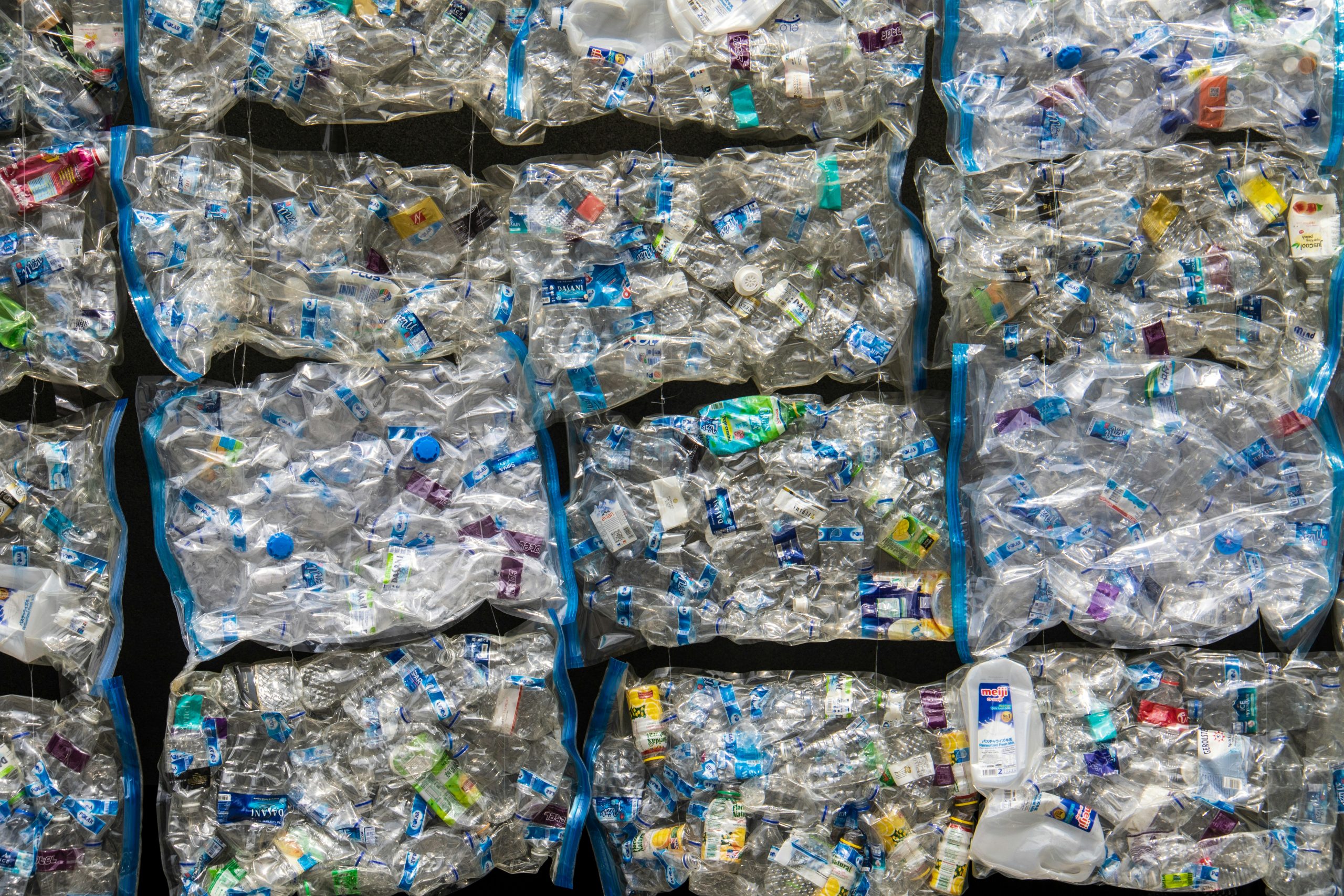
The European Commission has unveiled a first set of pilot actions to accelerate Europe’s transition to a circular economy, with a particular focus on the plastics sector. The Commission says that by optimising the recycling of plastics, these measures will further unlock the potential of the Single Market and enhance the EU’s economic security, strategic autonomy, competitiveness and environmental sustainability.
To accelerate the transition to circularity, the Commission is pursuing a two-step approach. In the first step, as pressure on certain sectors is acute, this package of pilot measures includes a set of concrete short-term actions to support circularity in particular in the plastics sector, while encouraging investment and innovation more broadly.
Second, in 2026, the Commission will propose a Circular Economy Act with further horizontal measures that will improve the functioning of the Single Market for secondary raw materials.
The circular economy represents a major opportunity for the plastics sector. Evidence from the European Commission’s Joint Research Centre shows that circular solutions can cut the sector’s climate-related emissions by 45%, decarbonise energy use, and improve the sector’s trade balance by €18bn per year by 2050.