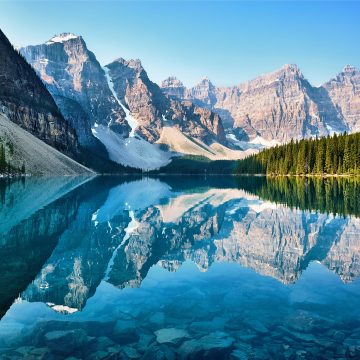
MyOcean Health, a new public platform designed to make understanding the ocean as intuitive as checking the weather, has been launched. It combines Copernicus Marine data through interactive visualisations and six key indicators: sea surface temperature, ocean acidification, marine heatwaves, sea level, Arctic sea ice extent and Antarctic sea ice extent.
Tag: ocean
Commission presents first EU strategies for islands and coastal communities
The European Commission has adopted two dedicated strategies, one for EU islands and one for EU coastal communities, setting out for the first time a coordinated European approach to support both types of territories and unlock their long-term potential. The two initiatives introduce a targeted approach, dedicated to the specific needs and unique challenges of: 17m people living on more than 4,000 islands across 16 EU Member States; and 95m people living along the 70,000km of EU coastlines and in coastal areas across 22 EU Member States.
World Ocean Assessment: the most important book about the ocean written
The 1,600-page assessment is the result of more than five years of work by 550 experts from 86 countries, offering a detailed overview of the mounting pressures on the ocean and the action needed to safeguard it. The report provides a foundation for “understanding the profound changes that are underway, from climate-driven shifts to biodiversity loss, and for shaping effective action both at the local level, but also at the global level”. Despite decades of progress, vast areas of the ocean, particularly the deep sea, remain poorly understood.
Record heatwaves while glaciers shrink and snow cover declines
Rapid warming in Europe is reducing snow and ice cover, while dangerously high air temperatures, drought, heatwaves and record ocean temperatures are affecting regions from the Arctic to the Mediterranean. Europe, along with many other regions of the globe, is exposed to increasing impacts – from record heatwaves on land and at sea, to devastating wildfires, and continuing biodiversity loss – with consequences for societies and ecosystems across Europe.
Canada’s Carney launches C$3.8bn strategy to protect nature
To protect Canada’s lands and waters, the Prime Minister, Mark Carney, has launched 'A Force of Nature: Canada’s Strategy to Protect Nature'. With an investment of C$3.8bn, Canada’s new nature strategy will protect and restore critical habitats, ensure industrial strategies complement our conservation efforts, and mobilise new capital for nature.
Researchers say global warming could trigger the next ice age
A missing feedback in earth’s carbon cycle could cause global warming to overshoot into an ice age, say researchers at University of California - Riverside. As the planet warms, nutrient-rich runoff fuels plankton blooms that bury huge amounts of carbon in the ocean. In low-oxygen conditions, this process can spiral out of control, cooling earth far beyond its original state. While this won’t save us from modern climate change, it may explain earth’s most extreme ancient ice ages.
António Guterres welcomes the BBNJ Agreement
As the Agreement on Marine Biological Diversity of Areas beyond National Jurisdiction – the BBNJ Agreement – reached the required threshold of ratifications for entry into force, UN Secretary-General António Guterres welcomed this historic achievement for the ocean and for multilateralism.
UK introduces landmark legislation to protect ocean
The UK government has introduced a landmark bill to protect two-thirds of the world’s ocean, a key source of food and oxygen for people in the UK and all over the world. This marks a major step forward in global efforts to protect marine life and ecosystems beyond national borders.
UN Conference: oceans are essential to mitigating climate change
The third United Nations Ocean Conference has adopted a political declaration entitled: “Our ocean, our future: united for urgent action”, stressing that the ocean plays an essential role in mitigating the adverse effects of climate change.