

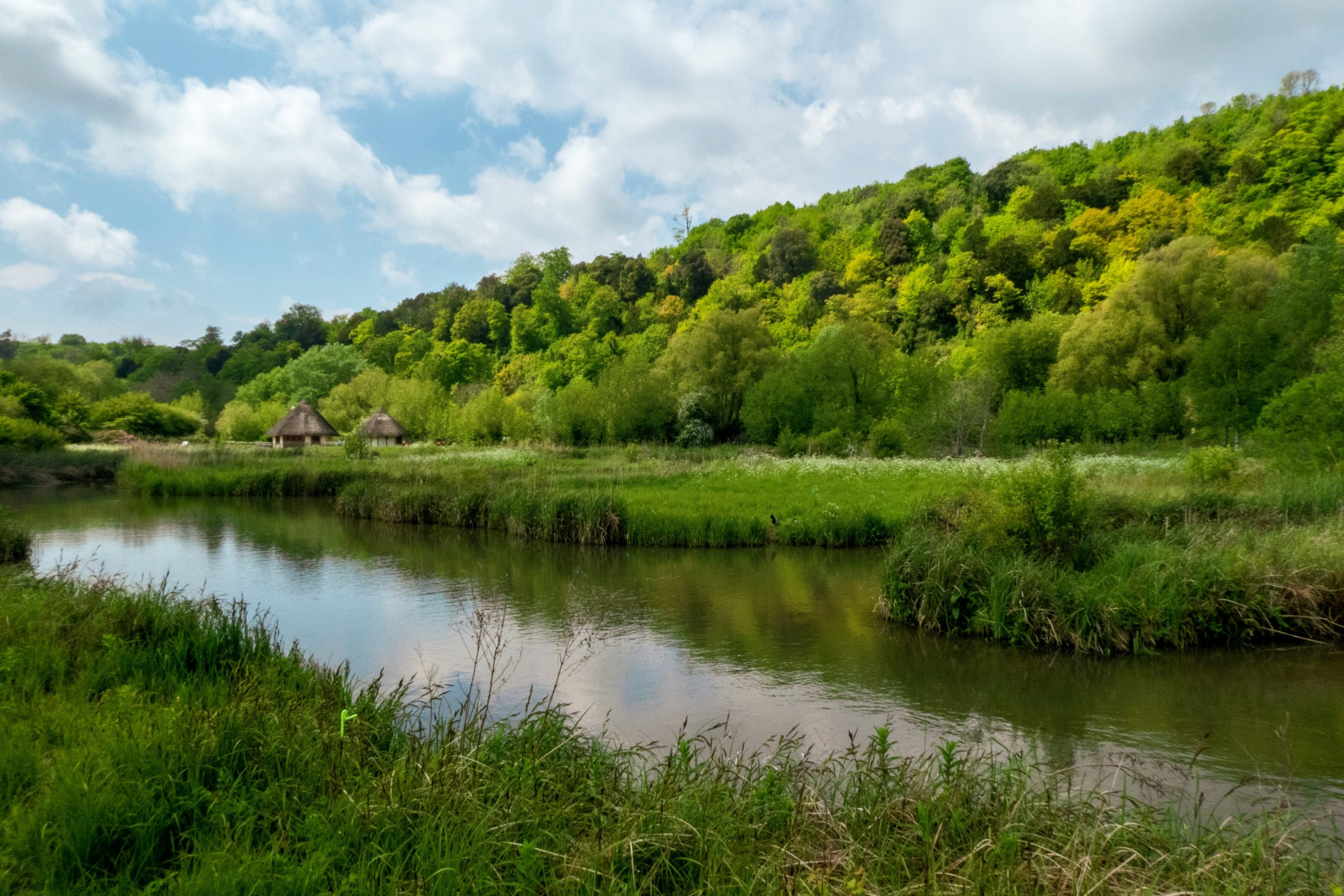
A mere 14.3% of England’s surface waters have achieved good ecological status, meeting the standards set out under the Water Framework Directive Regulations (WFDR), retained EU legislation which assesses the health of Europe’s rivers, lakes, estuaries and groundwater. All 4,658 surface water bodies were assessed against a range of standards covering wildlife, water quality and physical habitat.
The data appears in the UK’s Environment Agency’s latest WFDR classifications, providing information to water companies, farmers and stakeholders to see clearly where the water environment is performing well and where further action is needed.
In recent years the Environment Agency has increased its workforce, leading to record numbers of inspections, better data and stronger powers, supporting more investment and better regulation of rivers, lakes and coastal waters.
While the figure reported in 2019 was 16.3%, the two datasets are not directly comparable because this time around, the EA has updated analytical methods, using a wider set of monitoring data and focusing on places it suspected it would find problems. This resulted in the overall figure of 14.3%. This updated approach coupled with the classification system’s “one-out, all-out” rule where a single failing element can cause an entire water body to fail overall status, means some water bodies now show a lower status than in 2019, even where there isn’t necessarily a genuine decline in water quality.
The underlying data shows 82% of individual ecological indicators are now Good or High demonstrating the underlying health of many waterways is encouraging even where overall classifications haven’t shifted.